Understanding the Fundamentals of Image to Image AI
In recent years, the intersection of artificial intelligence and creative design has witnessed remarkable advancements. Among these innovations, image to image ai stands out as a transformative technology that redefines how we engage with visual content. This article will explore the foundational aspects of image to image AI, its features, applications, and the challenges it presents, providing a comprehensive guide for creators and designers aiming to leverage this technology in their workflows.
What is Image to Image AI Technology?
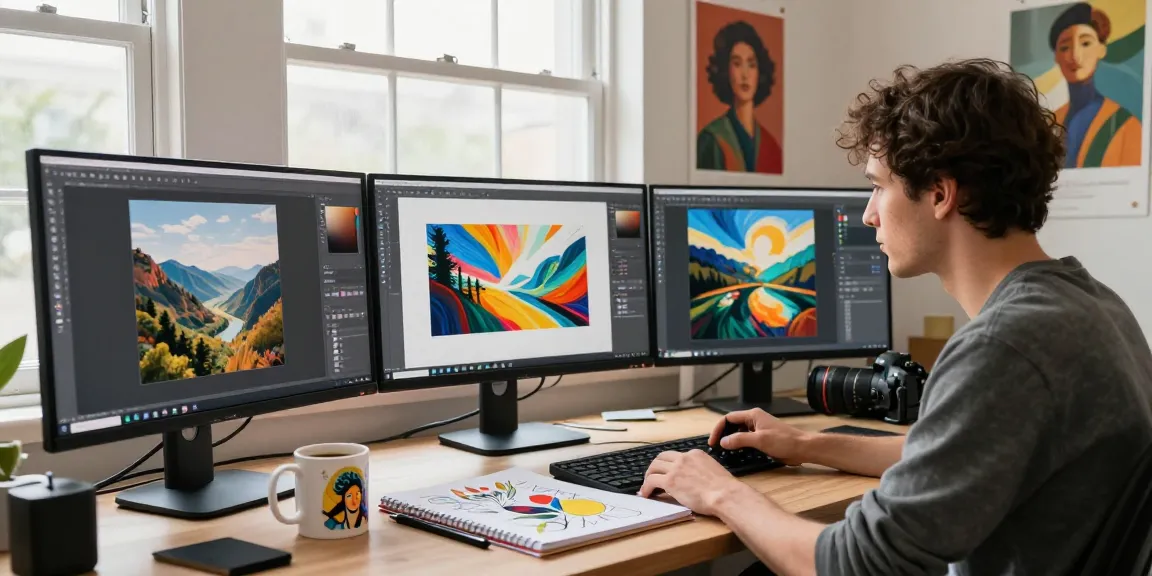
Image to Image AI refers to a subset of artificial intelligence that allows users to transform images from one form to another using neural networks. Essentially, this technology employs deep learning algorithms to interpret and modify visual data based on input parameters. The core of this innovation lies in its ability to understand the semantic content of an image, allowing it to generate visually realistic and contextually relevant output. For instance, it can modify an existing landscape photograph into a winter scene or convert a sketch into a colorful painting, showcasing the versatility and creative potential of AI in design.
Key Features and Capabilities
The capabilities of image to image AI are vast and continually evolving, but several key features stand out:
- Style Transfer: This technique allows the AI to apply the stylistic elements of one image to another, enabling the transformation of photos into artworks that mimic famous paintings.
- Semantic Understanding: The AI can analyze images at a semantic level, understanding context and content to generate more meaningful transformations.
- Detail Preservation: Advanced algorithms can maintain intricate details while altering images, ensuring high-quality outputs that are true to the original context of the image.
- Real-Time Processing: Many modern applications support quick processing times, allowing designers to experiment and iterate without long wait times.
Applications Across Various Creative Fields
Image to image AI has found applications across numerous creative industries, revolutionizing workflows and expanding creative possibilities:
- Graphic Design: Designers can generate variations of logos, create unique illustrations, and optimize visual storytelling.
- Fashion: Fashion designers utilize this technology for virtual try-ons, allowing for real-time alterations of clothing designs.
- Gaming: In the gaming industry, developers can quickly modify textures or create entirely new environments based on user-generated content.
- Film and Animation: Image to image AI can help in storyboarding, visual effects, and even character design by transforming sketches into detailed animations.
Challenges and Misconceptions in Adopting Image to Image AI
While the potential of image to image AI is immense, several challenges and misconceptions can hinder its adoption in creative fields.
Common Obstacles Creators Face
Many creators encounter notable challenges when integrating image to image AI into their workflows. One major obstacle is the learning curve associated with new technology. Artists and designers may struggle to understand how to effectively use AI tools, leading to frustration and resistance. Additionally, the fear of losing the essence of human creativity is prevalent, as some skeptics doubt that AI can replicate the nuanced decision-making that comes with human artistic expression.
Debunking Myths About AI in Design
Misconceptions about AI's role in design can also deter its adoption. A common myth is that AI tools will replace human designers. In reality, AI is designed to enhance human creativity, not replace it. By automating repetitive tasks, AI allows designers to focus on higher-level creative processes, thus fostering innovation rather than hindering it. Another misconception is that AI-generated content lacks originality. However, image to image AI can produce unique artworks by synthesizing various influences and styles, demonstrating how it can coexist with traditional creative practices.
Assessing the Risks and Ethical Considerations
As with any emerging technology, the use of image to image AI raises ethical considerations. Issues related to copyright and originality are paramount; creators must ensure that their use of AI does not infringe on existing intellectual property. Moreover, there are concerns about the potential for bias in AI-generated content, which can perpetuate stereotypes or exclude underrepresented voices in the creative industry. Addressing these concerns requires ongoing dialogue among creators, technologists, and ethicists to establish guidelines that respect artistic integrity and diversity.
Best Practices for Integrating Image to Image AI in Design
To successfully incorporate image to image AI into design practices, creators should employ strategic approaches that enhance productivity while maintaining creative integrity.
Choosing the Right Tools and Platforms
Selecting the appropriate software is crucial for maximizing the benefits of image to image AI. Platforms vary in complexity, capabilities, and target audience, so it’s vital to choose tools that align with specific needs. Popular tools include Adobe Sensei and DeepArt, which offer user-friendly interfaces and powerful functionalities. Additionally, evaluating user reviews and testing multiple platforms can help determine the best fit for individual workflows.
Strategies for Seamless Integration into Workflows
Integrating AI tools into existing creative workflows should be gradual and thoughtful. Start by identifying aspects of the design process that can benefit from AI assistance, such as image refinement or concept generation. By utilizing AI to handle mundane tasks, designers can allocate more time to brainstorming and conceptualization, ultimately enhancing creative output. Regularly revisiting and adjusting workflows in response to AI capabilities can also help maintain synergy between human creativity and technological advancement.
Creating Synergy Between Human Creativity and AI Assistance
The most successful implementations of image to image AI occur when human creativity and AI assistance work in tandem. Instead of viewing AI as a competitor, designers should see it as a collaborator that provides fresh perspectives and novel ideas. Experimentation is key—designers should feel empowered to challenge AI outputs, iterating on them until they align perfectly with their vision. This collaborative approach can spark innovative ideas that push the boundaries of traditional design.
Case Studies: Successful Implementation of Image to Image AI
Examining real-world examples of image to image AI can shed light on its transformative potential within the creative sector.
Innovative Use Cases in Graphic Design
Graphic designers are among the early adopters of image to image AI, utilizing it to enhance their creations. For instance, an advertising agency used AI to generate multiple variations of a logo based on different style preferences. This allowed them to present diverse options to their clients quickly and efficiently. Another compelling case involved a designer who employed AI to create unique marketing materials that adjusted colors and themes based on target audience demographics, resulting in a significant increase in engagement rates.
Real-World Examples of Enhanced Creative Output
In the realm of photography, several artists have embraced image to image AI to expand their creative horizons. One photographer transformed standard images into artistic renditions using neural networks, producing a series of visually stunning outputs that were showcased in galleries. Such projects demonstrate how the technology can be utilized to reinterpret existing works, breathing new life into familiar subjects.
Measuring Success: Metrics and Outcomes
To evaluate the success of image to image AI implementations, creators should consider both quantitative and qualitative metrics. Engagement rates, conversion rates, and customer feedback can provide insight into how well AI-generated content resonates with audiences. Additionally, monitoring the time saved on certain tasks can highlight improvements in workflow efficiency. By analyzing these metrics, designers can continuously optimize their use of AI tools, ensuring they derive maximum benefit from their investment.
The Future of Image to Image AI in Creative Industries (2026 and Beyond)
As we look ahead to 2026 and beyond, the evolution of image to image AI promises to reshape creative workflows and redefine artistic possibilities.
Emerging Trends and Technologies
We anticipate several emerging trends influencing the landscape of image to image AI. One significant trend is the increasing sophistication of generative adversarial networks (GANs), which can produce highly realistic images that push the boundaries of creative expression. Additionally, advancements in augmented reality (AR) and virtual reality (VR) will likely integrate seamlessly with AI, providing even richer interactive experiences in design.
Predictions for the Evolution of Creative Workflows
The integration of image to image AI will lead to more dynamic and collaborative workflows. As these tools become more accessible, we expect to see a rise in interdisciplinary collaborations between designers, technologists, and data scientists. Such collaborations will promote the exploration of hybrid creative processes that blend human intuition with machine learning capabilities, resulting in groundbreaking innovation.
How Creators Can Prepare for Future Developments
To keep pace with the evolving landscape of image to image AI, creators should remain adaptable and continuously seek opportunities for professional development. Engaging with workshops, online courses, and industry events focused on AI and design can foster deeper insights into emerging technologies. Additionally, forming community networks can be beneficial for sharing experiences, challenges, and best practices, thus creating a collaborative environment that embraces innovation.
What are the benefits of using image to image AI in design?
The primary benefits of image to image AI in design include increased efficiency, enhanced creativity, and the ability to generate diverse output quickly. By automating repetitive tasks, designers can focus on more strategic elements of their work while utilizing the AI's capability to produce variations and iterations efficiently.
How does image to image AI change traditional creative processes?
Image to image AI alters traditional creative processes by enabling rapid experimentation and innovation. Designers can use AI tools to simulate various creative outcomes, allowing them to explore ideas more freely without the constraints of manual manipulation.
What tools are best for implementing image to image AI?
Some of the best tools for implementing image to image AI include Adobe Photoshop with Sensei, RunwayML, and DeepArt. Each tool offers unique features tailored for different creative needs, making it essential to evaluate them based on individual requirements.
Are there ethical concerns with using image to image AI?
Yes, ethical concerns include issues of copyright infringement, authenticity, and the potential for bias in AI-generated content. Creators must navigate these considerations carefully to respect intellectual property rights and ensure equitable representation in their work.
How can designers maximize the effectiveness of AI tools?
Designers can maximize the effectiveness of AI tools by integrating them thoughtfully into workflows, continuously experimenting with outputs, and collaborating with the technology to enhance their creative vision. Regularly assessing the performance of AI tools and staying informed about new functionalities can also lead to better results.